Preparing Your Construction Site: Excavation and Land Clearing Tips for GTA Builders
Why Site Preparation Matters in the GTA
Whether you’re building a custom home in Mississauga or a commercial project in Vaughan, every successful construction project begins with proper site preparation. It’s the foundation before the foundation—removing what shouldn’t be there, leveling what should, and making the space safe and ready for build.
In the Greater Toronto Area, where terrain can vary from rocky escarpments to soft, wet soils, experienced excavation and land clearing are essential. This article shares key tips for managing excavation, clearing, and compliance in Ontario’s fast-moving construction environment.
Key Steps in Site Preparation
1. Excavation Risk Assessment Comes First
Before any machinery moves in, a detailed excavation risk assessment is crucial. This includes:
- Soil testing and classification
- Identifying underground utilities
- Evaluating slope stability and drainage
- Assessing proximity to nearby structures
Proper risk assessment prevents accidents, saves money, and helps ensure your excavation meets Ontario excavation regulations.
“We saved weeks of work just by doing a proper soil analysis before digging. It revealed hidden drainage issues.”
– Contractor, Oakville
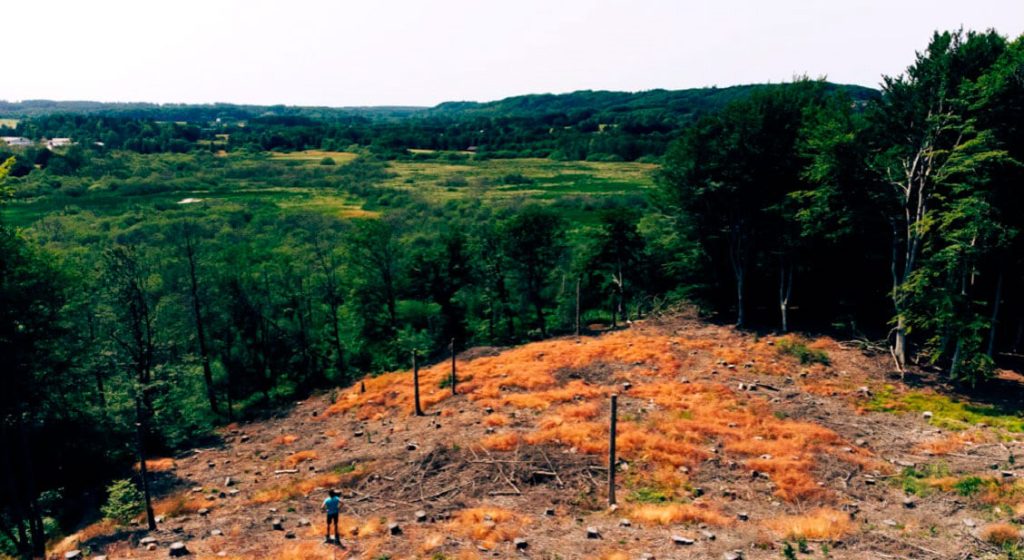
2. Land Clearing Best Practices
Effective land clearing sets the stage for safe excavation. Your contractor should handle:
- Tree and brush removal
- Stump grinding or pulling
- Removal of old fencing or debris
- Topsoil stripping for reuse or disposal
In urban lots, precision matters—especially when clearing land near property lines, utilities, or roadways.
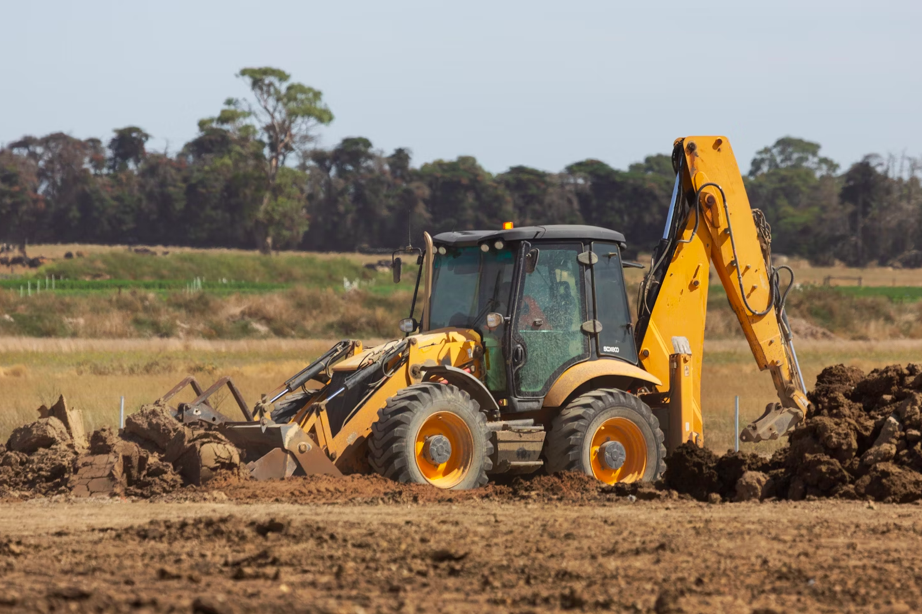
3. Plan for Proper Grading and Drainage
Once cleared, the land must be shaped (graded) for optimal flow of water and construction stability. In the GTA, where extreme weather and freeze-thaw cycles can impact soil movement, this step is especially important.
Key grading goals:
- Promote water runoff away from structures
- Create a level base for foundation excavation
- Reduce erosion risks during construction
4. Follow Ontario Excavation Regulations
Working with an excavation contractor familiar with Ontario’s regulations ensures your site preparation is compliant. They should handle:
- Ontario One Call for utility locates
- WSIB and liability coverage
- Environmental protection for tree or soil removal
- OHSA standards for trench and excavation safety
Cutting corners on compliance can result in fines, shutdowns, or accidents.
✅ Site Preparation Checklist for Builders
Here’s a quick reference for your pre-excavation planning:
| Task | Done? |
| Site surveyed and flagged | ☐ |
| Excavation risk assessment completed | ☐ |
| Utilities marked by Ontario One Call | ☐ |
| Vegetation and debris cleared | ☐ |
| Stumps removed and disposed of | ☐ |
| Soil tested and drainage plan reviewed | ☐ |
| Grading completed for base excavation | ☐ |
| Contractor has proper permits & insurance | ☐ |
Working With a Skilled Excavation Team
Not all terrain is equal—and neither are all excavation contractors. Choose a team that offers:
- Experience across varied GTA soil types
- Equipment suited for both tight urban lots and large developments
- Full-service capabilities: land clearing, grading, demolition, and excavation
- A commitment to safety, timelines, and client communication
Set the Stage for Success
In construction, a solid structure begins with a well-prepared site. Builders who invest in proper excavation and land clearing avoid costly surprises, project delays, and structural headaches down the line.
With the right contractor and a clear site strategy, you can build faster, safer, and smarter in any corner of the GTA.
Need help preparing your site for excavation in Ontario?
Our expert team serves GTA builders with full-service excavation and land clearing—no matter the terrain.
📞 Contact us for a free site assessment.